Ideas and guidance
Articles for understanding, reflection and change
Practical insights from counsellors across Aotearoa, written to help you make sense of what you are experiencing.

Snobs Hill – They Were Not Mine, But I Lived Them
This term in religious studies, the readings took me into Aotearoa’s land history: David James’s timeline of land dealings, laws, and schooling, and James Belich’s chapters on land, law, and the wars of the 1860s. The Native Land Court, the confiscations, the long consequences for Māori communities. I have studied colonisation for months through Te…
Attachment Styles Explained: What They Are and How Counselling Helps
Attachment styles are patterns in how we connect with other people and seek closeness, shaped by early relationships and later experiences. Researchers commonly describe secure, anxious, avoidant and disorganised (sometimes called fearful-avoidant) styles. They are not diagnoses, and they can shift over time. This article is general information, not clinical advice or an assessment. If…
I feel like a failure
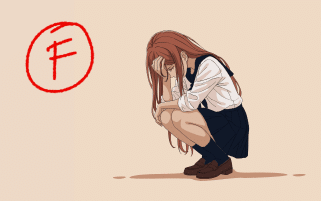
If you’ve ever had the thought “I’m a failure.” Read this. Maybe it will help.

What is Solution-Focused Therapy?
Solution Focused Therapy (SFT) was developed in the 1980s by Steve de Shazer and Insoo Kim Berg.The approach, as the name suggests, emphasises solutions, not problems. In this article, I discuss the 12 core assumptions that SFT makes and cover the techniques involved.
Anger
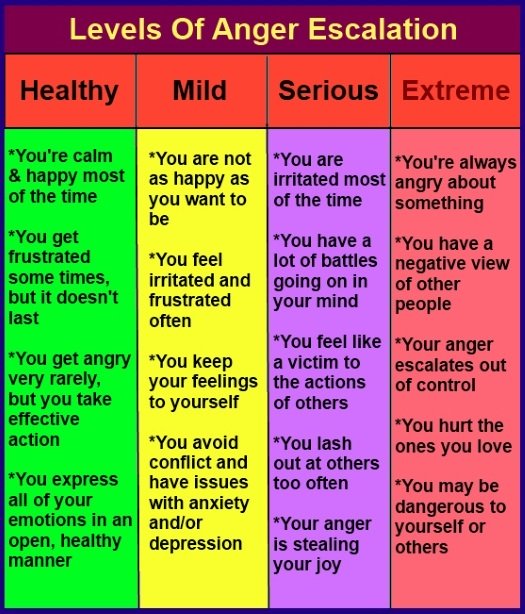
Anger is a secondary emotion meaning that others’ feelings, such as frustration, lie beneath it.

The Closed Circle – Whitu: The Number That Would Not Let Me Go
A number in my whakapapa keeps finding me.By Nōpera Te Rangīūia’s generation, formal teaching at Te Rāwheoro had ended. I don’t yet know exactly how it ended, or what he did within it. As his descendant, I know what it means to me: a place where ancient mātauranga Māori had been taught no longer carried…

Online Therapy- 10 Reasons Online Therapy is the best Mental Health Game-Changer.
Changing the norm of access to counselling through online therapy.

What type of therapy do I need?
Not sure what therapy type you need? Learn how to choose a therapist and why the relationship you have with them matters more than the approach used.
CBT – Cognitive Behavioural Therapy
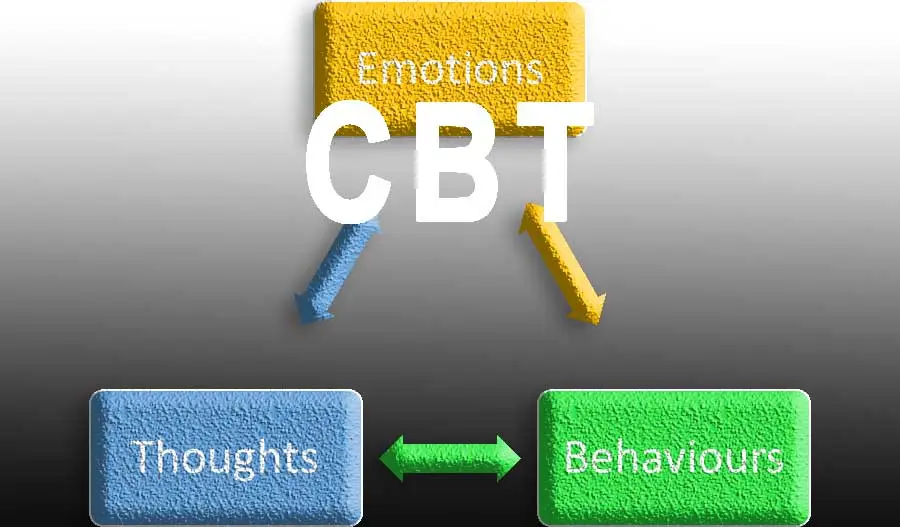
CBT is one most effective therapies backed by scientific research that exists today. It is an effective therapy for people who suffer from anxiety, phobias, stress, & depression.

The Vibration Underneath – Prayers
Karakia, Aramaic prayer and Sanskrit mantra — and the breath they shareLast November I asked a question I didn’t yet know how to answer: can indigenous knowledge and ancient wisdom unlock identity and wellness? It was the question Te Poutama Ora began with. Revisiting those first articles this month, I expected the answer to look…

Aggression: One hidden weakness in our relationship.
Aggressioncomes from hurt and frustration. On the surface, it can appear as anger. Consequently,when the pressure accumulates, outbursts can happen. Heightened emotionaldistress often leads to less desirable choices of words and actions.
Solution-Focused Therapy: What It Is and Five Common Techniques
Solution-focused therapy, also called solution-focused brief therapy (SFBT), is a goal-oriented counselling approach. It focuses on the future you would like and on what already works in your life, rather than on the history of the problem. Counsellors use carefully chosen questions to help you describe what you want. This page explains the approach, five…